I am.. a living story
From the mountain to the main road, here every voice and view is part of my story.

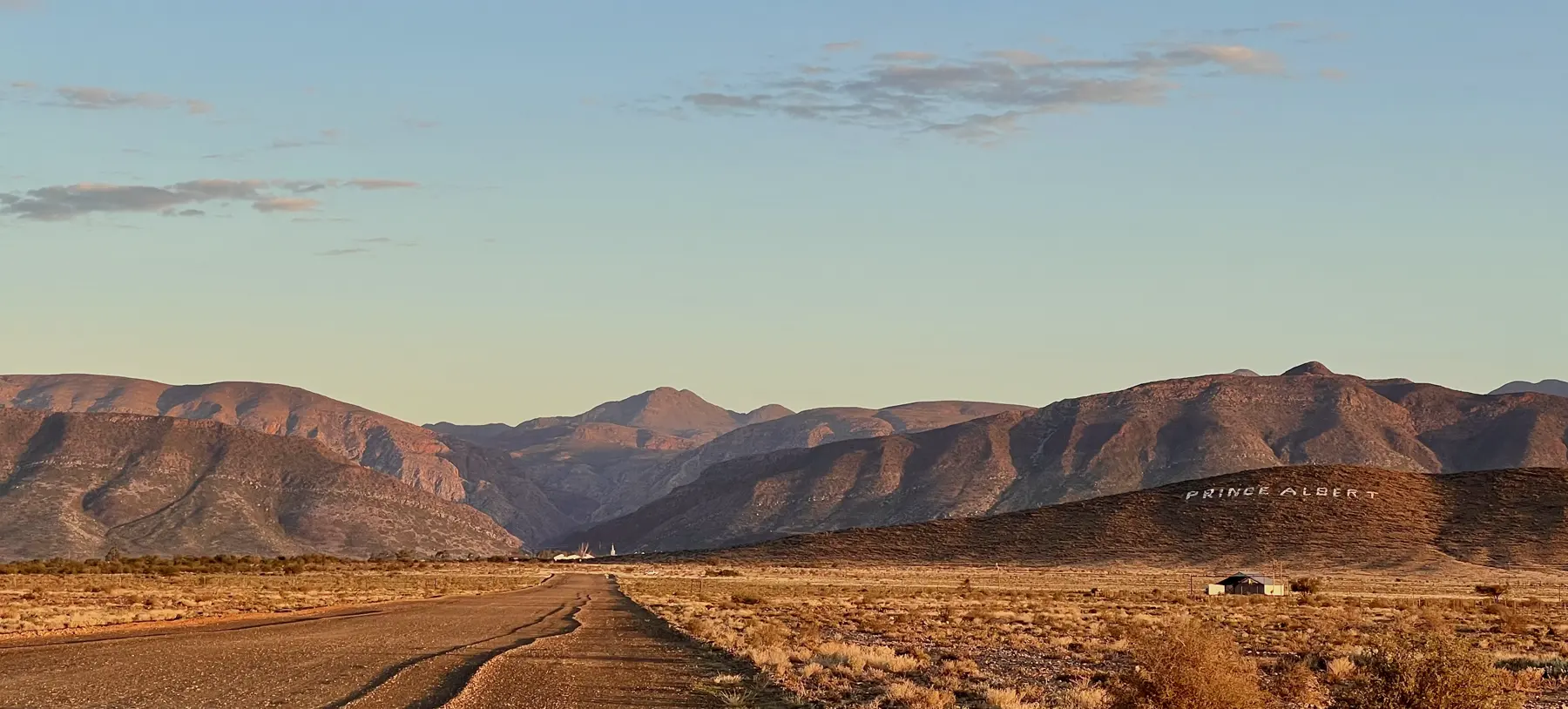
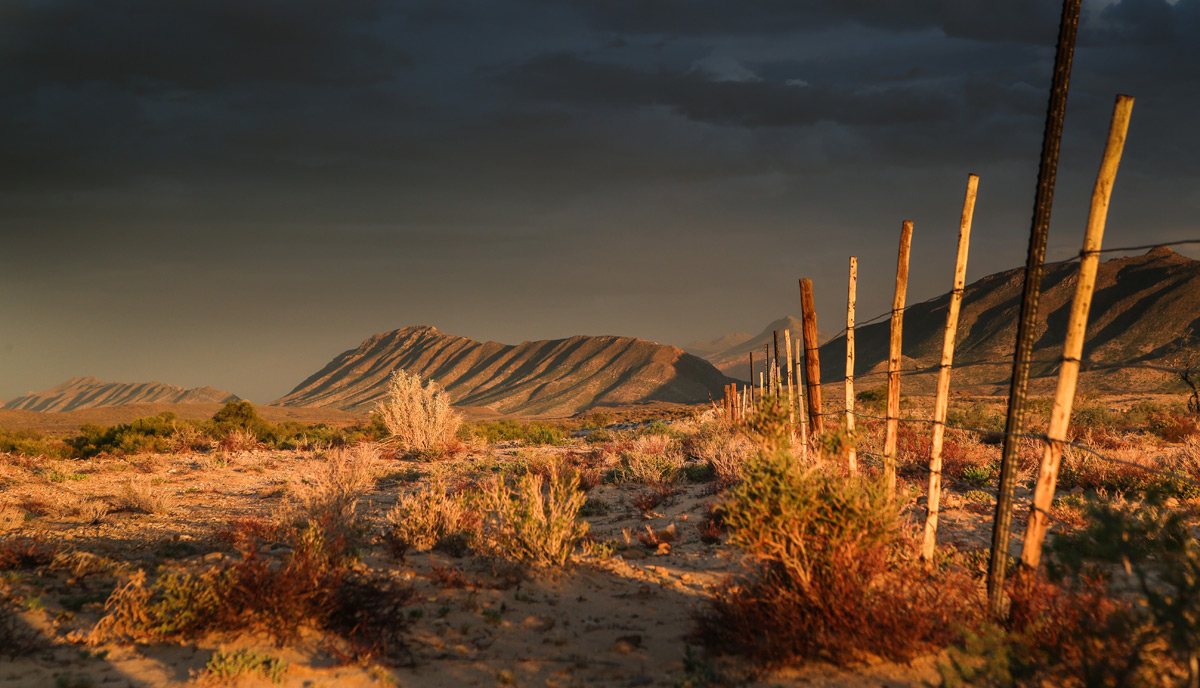
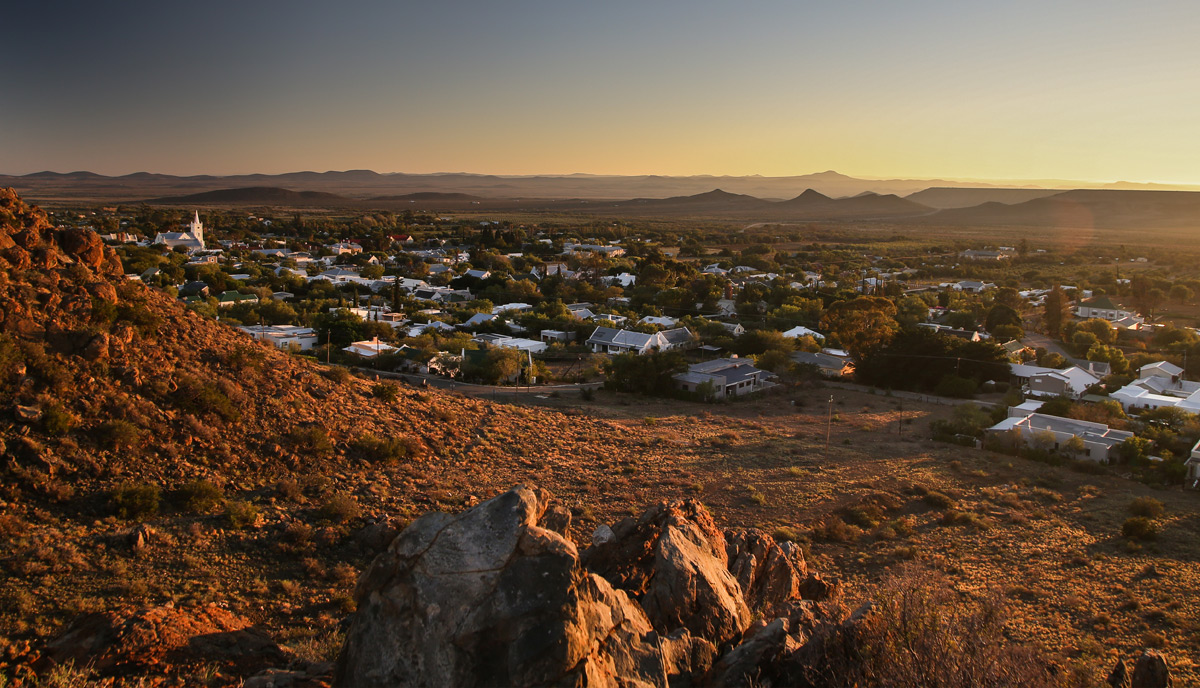
Prince Albert is a place where nature, people and heritage intertwine to shape something truly unique. At the foot of the Swartberg Mountains our town stands as a gateway to the Great Karoo’s unfiltered beauty. Here, every road, mountain and voice tells a story of resilience and belonging.
Just five kilometres from the Swartberg Pass, Prince Albert is perfectly placed for exploring the wonders of the Karoo. From Meiringspoort and Gamkaskloof to the Cango Caves and Gamkapoort Dam — all lie within an easy drive, returning you in time to watch the sun set in the big sky over the rolling landscape. At 686 metres above sea level, nature invites exploration — hiking, mountain biking, birding and botanical walks bring you closer to the land and its quiet strength.
Our architecture tells the story of beautifully preserved Cape Dutch, Karoo and Victorian buildings — a number of which are Provincial Heritage Sites. They stand as reminders of a layered past, yet, our region’s heritage began 25 000 years BP when the Khoisan hunter-gatherers first roamed the land.
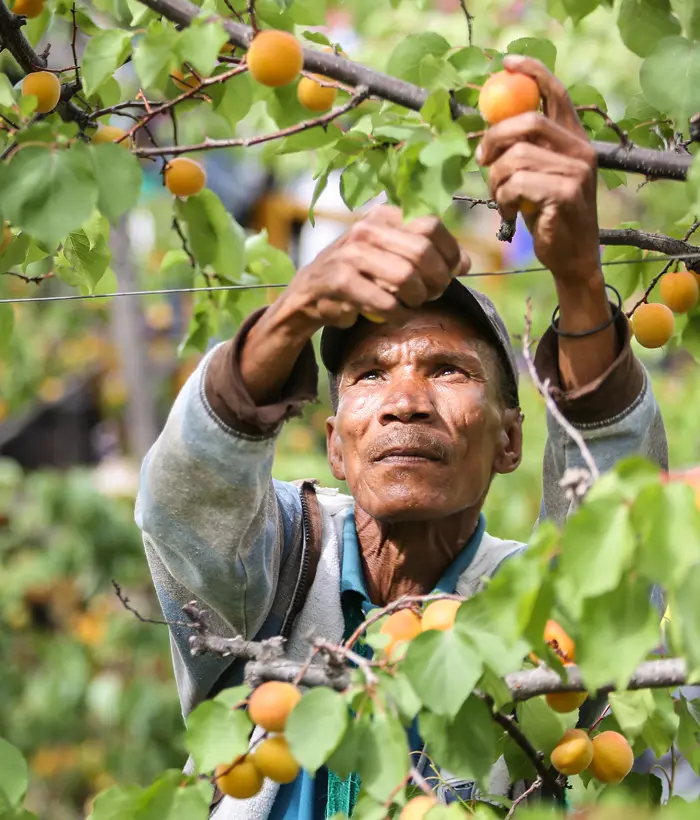
We are a community shaped by the harshness and extremes of the Great Karoo. Sun-ripened fruit, Karoo lamb, olives and handmade cheese reflect our simple abundance and our connection to agriculture. From our artists’ open studios to festivals and food markets, Prince Albert continues to celebrate creativity, conversation and care.
This is a place you didn’t know you needed. It’s where you are forced to slow down, to listen and to connect — where heritage meets heart and every person adds a part of their story to ours. Explore more of our living story and meet the people behind it all:
HERITAGE
A living story of resilience, culture and tradition, shared through my people and our history.
…read more
COMMUNITY
The heart of Prince Albert. Here everyone is part of a connected, proud and authentic community – where every story, every person and every business matters and makes a difference.
…read more
NATURE
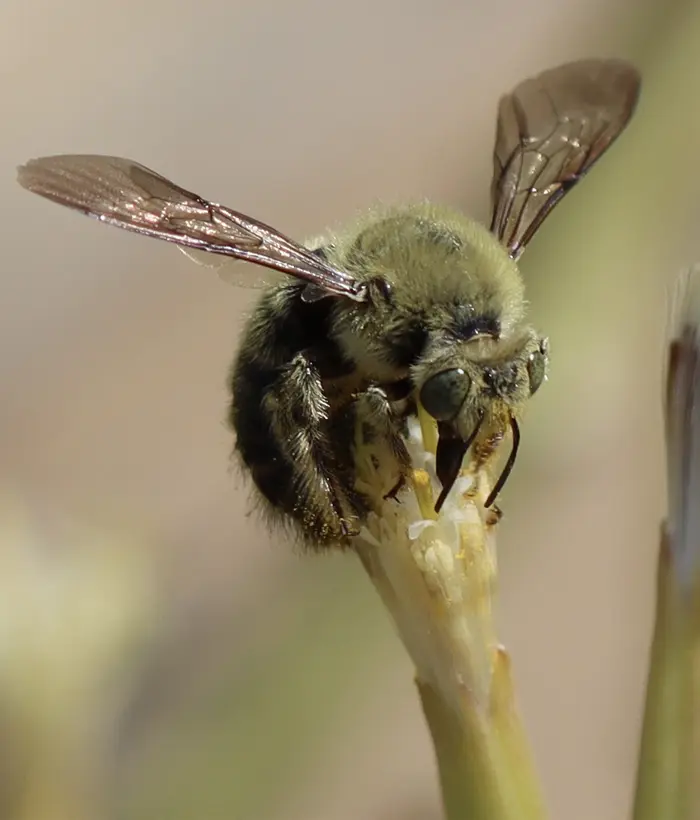
The soul of the Karoo. Vast, unfiltered landscapes invite serenity, exploration and a deep connection to the land. The Karoo biome is home to so much life – from tiny plants to soaring birds – here life is extraordinary.
…read more
STEWARDSHIP
A town that cares deeply. Our story of stewardship is one of shared responsibility, protecting our land, responsible use of resources and caring for our people.
…read more


Prince Albert History
The Prince Albert district has a rich heritage of Later Stone Age (LSA) sites, stone tools and rock paintings. Many of which date back 25 000 years. A well-documented archaeological ‘dig’ at Boomplaas Cave on the Swartberg Pass provides evidence of Middle Stone Age (MSA) people. Some of the tools from the LSA were still being made and used by San (aka Bushmen) and Khoikhoi at the time of European contact. “And for the first time,” says local paleontologist Dr Judy Maguire, “there are eye-witness accounts of what some of the stone tools were used for, both practically and symbolically.”
The Khoikhoi had practiced pastoralism (a form of animal husbandry with a mobile aspect) being ever in search of fresh grazing and water for their herds of sheep and goats. And the name Karoo is derived from a Khoikhoi word Karusa meaning ‘dry arid place.’
European immigrants colonized the area after 1652 and Prince Albert has its origins in a loan farm dating back to 1762. Named Kweekvallei “valley of cultivation and plenty” the farm was leased for a year by Zacharias de Beer. In 1842 the Synod of the Dutch Reformed church approved the purchase of a part of the farm for building a church. And in 1845, the tiny village was proclaimed Prince Albert in honour of Queen Victoria’s consort.
Today Prince Albert is the centre of its own municipality and numbers over 13 000. It celebrated its 250th anniversary in 2012 and in that same year was voted the Western Cape winner in the prestigious kykNET Kwêla & Rapport ‘Town of the Year’ competition.
The municipal district includes surrounding farms together with the towns of Klaarstroom, Prince Albert Road and Leeu-Gamka. Today’s farmers have exchanged the nomadic existence of the past in favour of fencing in their livestock and growing crops. And in so doing wage a constant war against animal predators, drought and searing heat.
Swartberg Pass
An iconic mountain pass that has found its way onto the bucket list of many an international traveler.
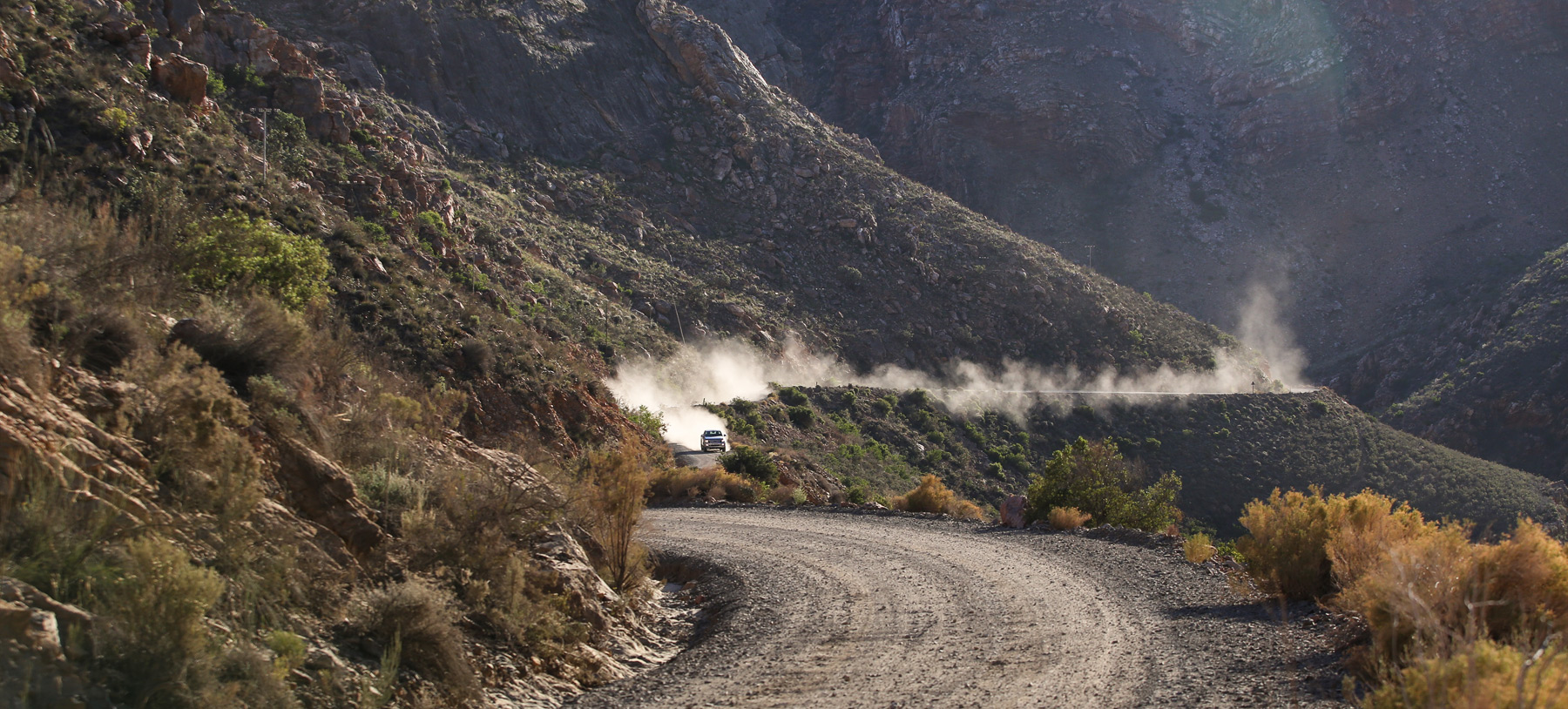
The 27km Swartberg Pass is considered one of the finest mountain passes in the world: an untarred road that winds to the summit 1 585 metres above sea level in steep zigzags and sudden switchbacks with breath-taking views at every turn and geological formations that shout, ‘plate tectonics’! The road is supported in places by hand-packed dry- stone retaining walls, a trademark of brilliant road engineer Thomas Charles Bain. Along the way there are relics of an old prison, toll hut and other interesting historical sites. Often covered with snow in winter, the mountain’s unique micro-climate supports fynbos and a rich bird life in contrast with the arid zone flora and fauna outside its cool shady kloofs. The Swartberg Pass was declared a Provincial Heritage Site in its Centenary year, 1988.
The Pass is a 27 km-long gravel road with steep inclines. It lies on the R328 and is the shortest route between Prince Albert and Oudtshoorn. It takes about 1 hour to drive the entire length of the Pass. Allow an extra 20 minutes to reach the Pass from Oudtshoorn and an extra 10 minutes to reach Prince Albert once you exit the Pass. In good weather the road can be tackled with any vehicle. Vehicles with low clearance must go very slowly across some eroded sections but will be able to complete the route.
The Swartberg Pass offers spectacular views and unrivaled natural beauty. It is regarded by many as the ultimate in gravel road passes in South Africa and the dry-stone retaining walls and geological formations have become iconic features of the Pass. The road follows steep zigzag and sudden switchbacks as it winds its way to the top of the Pass at 1583 meters above sea level.
The Pass has a unique climate, often with cool, misty clouds covering the top – supporting rich fynbos. Bird-life is magnificent with Verreaux’s eagles and jackal buzzards a regular sight. Birders come from far to find the Cape rock jumper and the Victorian’s warbler as well as the beautiful Orange-breasted Sunbird and Cape Sugarbirds. While plant life will vary in micro-climates, you are likely to see proteas, ericas and pincushions. Larger animals are shy, but you might spot the antelopes Cape Grysbok, Common Duiker, and Klipspringer.
The Pass was constructed between 1881 and 1886 as part of a drive by the government of the day to open reliable routes between the interior and the coast. The design of the route was done in 1879 by Thomas Bain and constructed between 1881 and 1886 to open a reliable route between the interior and the coast.
Construction work started in 1881 under guidance of Jan Tassies who made use of 100 Mozambican workers. His efforts lasted all of the 13 months after which he was bankrupt. He had only completed 6 kilometres of the road.
In September of 1883 Thomas Bain took over the constructions work. Using mainly convict labour, he completed the road in record time and by November 1886 it was opened to traffic. The official opening of the Pass took place with much pomp and ceremony on 10 January 1888.
The dry-stone packed retaining walls are an engineering feat. On the southern side there is a stretch where the retaining wall is 2.4 kms long without break. At Boegoe Kloof, also on the Southern side of the Pass, the retaining wall is just over 13 meters high. Laws of friction and cohesion govern the pressure on retaining walls and is the mechanism through which the stones are kept in place – no cement or mortar was used in the construction of the initial walls.
You can explore more about the history and stories of the Swartberg Pass at the Fransie Pienaar Museum where there is an entire exhibition on the construction of the Pass.